Design it for me
Seasonal Merch Colors: What to Offer and When
How to rotate shirt colors across the year so each seasonal drop feels timely without abandoning your core identity.
By Influxer · Published 2026-08-16 · Updated 2026-08-16 · 4 min read
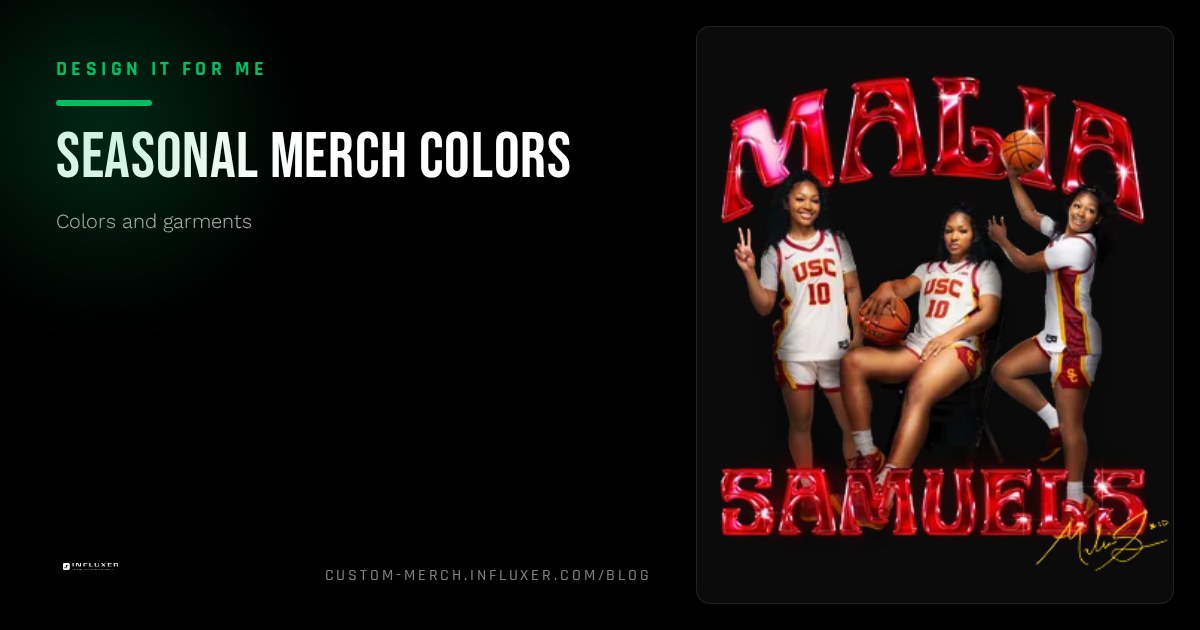
Not every merch drop needs the same three colors on repeat. A small seasonal rotation, layered on top of a consistent core design, gives returning buyers a reason to pay attention to a new drop instead of assuming it is identical to the last one.
This does not mean redesigning everything four times a year. It means choosing one or two shirt colors per season that suit the mood of that time of year, while keeping your name, number, and layout consistent so the merch still reads as one identity.
Why rotate colors at all
A buyer who already owns your black tee from the fall is more likely to buy a new color in the spring than a shirt with an identical color they already have. Color rotation is one of the simplest ways to make a repeat drop feel new without changing the design itself.
It also lets the merch track the actual season a fan is buying in: a heavier hoodie in a deep color for winter, a lighter tee in a brighter color for spring, without asking anyone to guess what is currently available.
Rotation also gives you a natural reason to reach back out to past buyers. A message announcing a new seasonal color for a design people already recognize tends to land better than repeating the exact same announcement with nothing new to point at.
Fall and winter picks
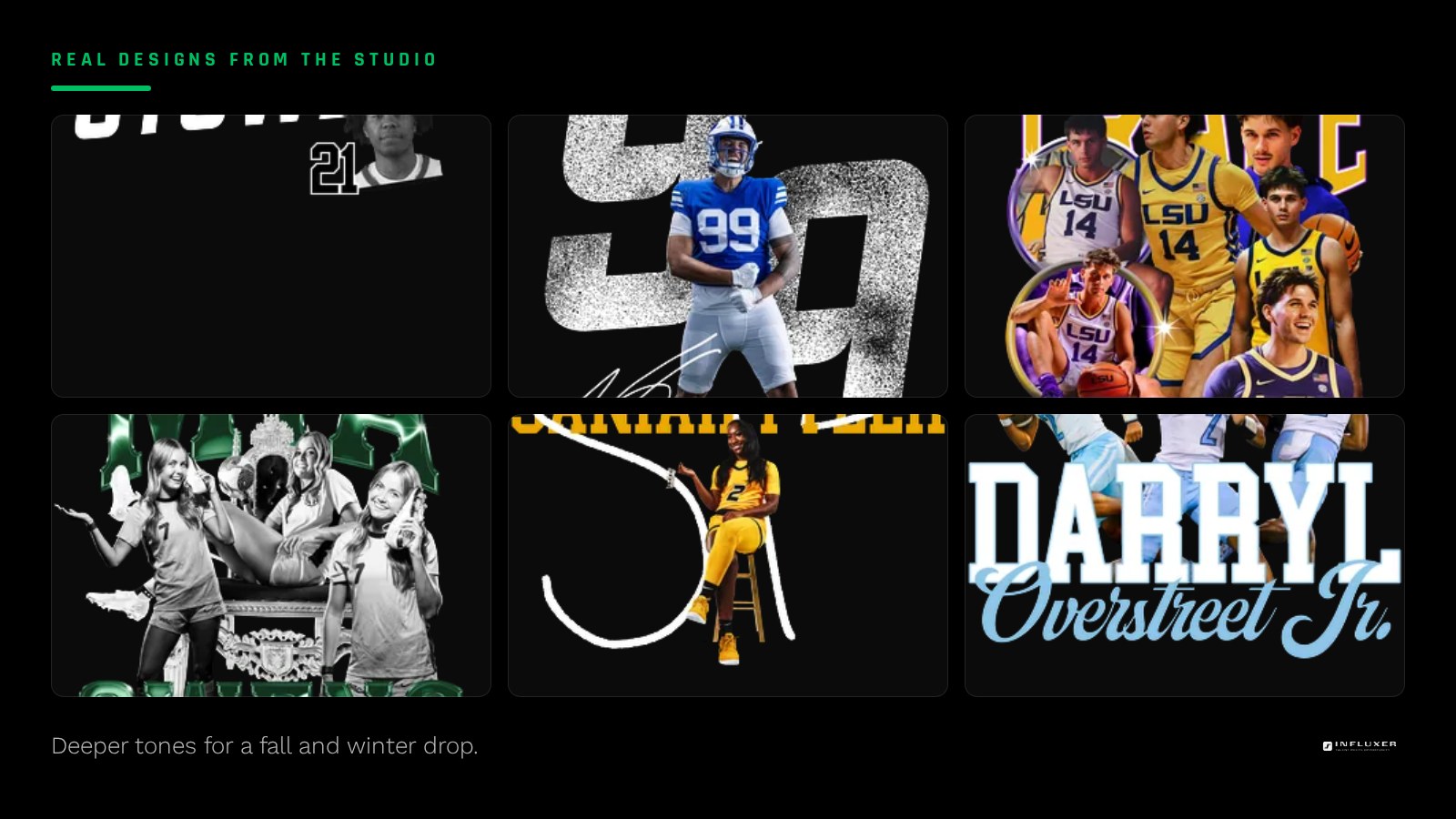
Deeper, warmer, or cooler-toned colors suit fall and winter drops. From the Comfort Colors 1717 lineup, colors like True Navy, Pepper, Terracotta, or Blue Spruce carry a heavier, colder-weather feel. On the SS4500 hoodie, Forest Green, Maroon, or Charcoal Heather pair naturally with a fall or winter release.
This is also the season where a heavier garment like the hoodie makes more practical sense as the lead product, with the tee offered as a secondary layering piece rather than the main event.
- Tee: True Navy, Pepper, Terracotta, or Blue Spruce.
- Hoodie: Forest Green, Maroon, or Charcoal Heather.
- Lead with the hoodie as the primary product for cold-weather drops.
Spring picks
Spring drops can afford to lighten up. Colors like Sage, Chalky Mint, Blue Jean, or Ivory bring a softer, fresher tone without going full bright. This is a good window to introduce a color you have not used before, since a new season gives you a natural reason to add variety.
Spring is also a reasonable point to test whether your design still reads well on a lighter background, since a design built around a dark tee for a fall drop can look thinner or less bold once placed on something like Ivory. Preview it on the actual lighter garment before committing rather than assuming the same ink color will carry over cleanly.
Summer picks
Summer is where the bolder colors earn their place. Watermelon, Yam, Neon Pink, or Flo Blue read as warm-weather colors and suit a lighter garment like the tee more than the hoodie. If you plan to sell at outdoor events or in daylight photos, a bold summer color also photographs better than a dark, heavy tone.
If you are selling at an outdoor event like a tournament or a camp, think about what the crowd will actually be wearing that day. A bold summer color stands out in a sea of neutral everyday clothing, which is part of why brighter tones tend to perform better for in-person summer sales than they might for an online-only drop.
Keeping the core design consistent across seasons
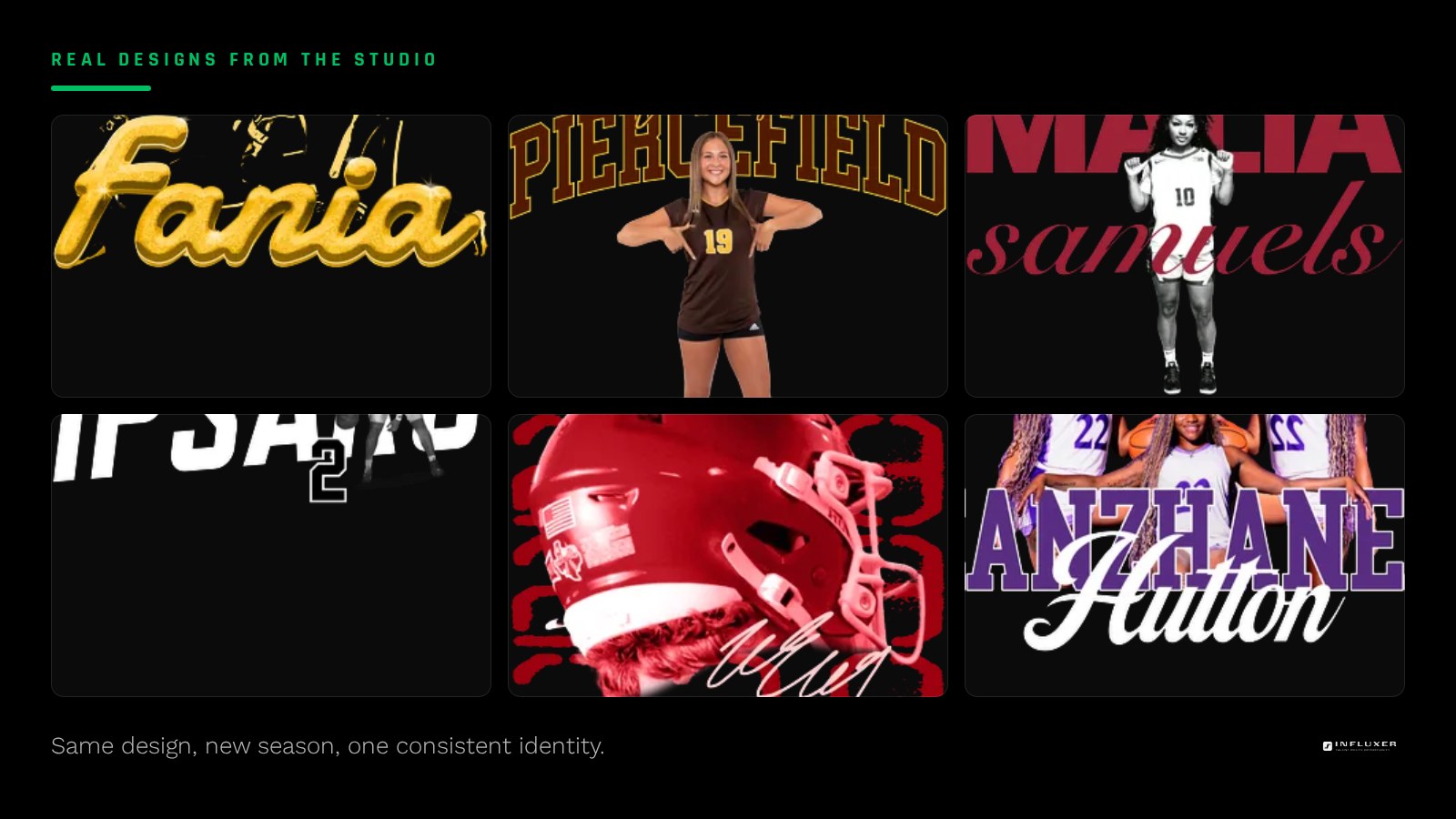
Whatever you rotate seasonally, keep your name, number, and core layout the same across every color. The color is what signals "new drop," not a redesigned logo every few months. If you change the actual design too, buyers lose the sense that they are collecting one consistent identity over time.
How many seasonal colors to add
One or two new colors per season is enough. Adding a full new lineup every few months creates more decision fatigue for buyers than it creates excitement, and it also means carrying more variations through the studio and review process than most drops need. See the companion post on how many colorways to offer for a fuller breakdown of that number.
Seasonal merch color checklist
- Keep the core design and layout identical across every seasonal color.
- Choose one or two new colors per season, not a full new lineup.
- Lean toward deeper tones like True Navy or Terracotta for fall and winter.
- Lean toward softer tones like Sage or Ivory for spring.
- Lean toward bold tones like Watermelon or Flo Blue for summer.
- Lead with the hoodie for cold-weather drops and the tee for warm-weather drops.
- Preview each seasonal color against your actual design before adding it.
Frequently asked questions
Do I need a completely different design for each season?
No, keep the design and layout the same and rotate the shirt color instead. That is enough to make a seasonal drop feel new without asking buyers to relearn your look.
Should I retire old colors when I add seasonal ones?
You can keep core neutrals like Black or White available year-round and rotate only the personality colors seasonally, which keeps a stable baseline while still adding variety.
Is the hoodie only for fall and winter?
It works best as the lead product in colder months, but there is nothing stopping you from offering it year-round in a lighter color for buyers who want it regardless of season.
How far in advance should I plan seasonal colors?
Deciding one season ahead is usually enough, since the studio lets you preview and adjust colors quickly rather than requiring a long production lead time to explore options.
Start planning your drop — Pick a template and preview it across your seasonal color picks.
See the studio in action — Watch how quickly you can preview a design in a new color.