Design it for me
How Many Colorways Should You Offer?
A straight answer to how many shirt colors a drop should offer, and why more options usually slow buyers down rather than helping them.
By Influxer · Published 2026-08-16 · Updated 2026-08-16 · 4 min read
It is tempting to offer every color your design looks decent in, especially when the studio makes it easy to preview a design across dozens of shirt and hoodie colors. But more colorways is not automatically better. Every extra option is one more decision a buyer has to make before checking out, and one more variation you have to keep track of.
This post gives a direct answer: for most drops, two to four colorways is the right range, and there is a clear way to decide which ones make the cut.
The short answer
Two to four shirt colors covers almost every merch drop well. That typically breaks down to one dark neutral, one light neutral, and one or two colors with more personality. Fewer than two limits buyers who simply do not like your only option; more than four starts adding decision friction without adding real value.
Why more colors is not automatically better
Every additional colorway is a choice a buyer has to make before they can complete a purchase, and research on choice in general (not specific to merch) consistently shows that more options can slow decisions down rather than speed them up. A buyer facing eight color options has to compare more, which means more chances to hesitate, close the tab, and never come back.
There is also a practical cost on your side: more colorways means more variations to preview, more mockups to check for contrast, and more inventory decisions if you are managing physical stock rather than print-on-demand.
How to pick your two to four colors
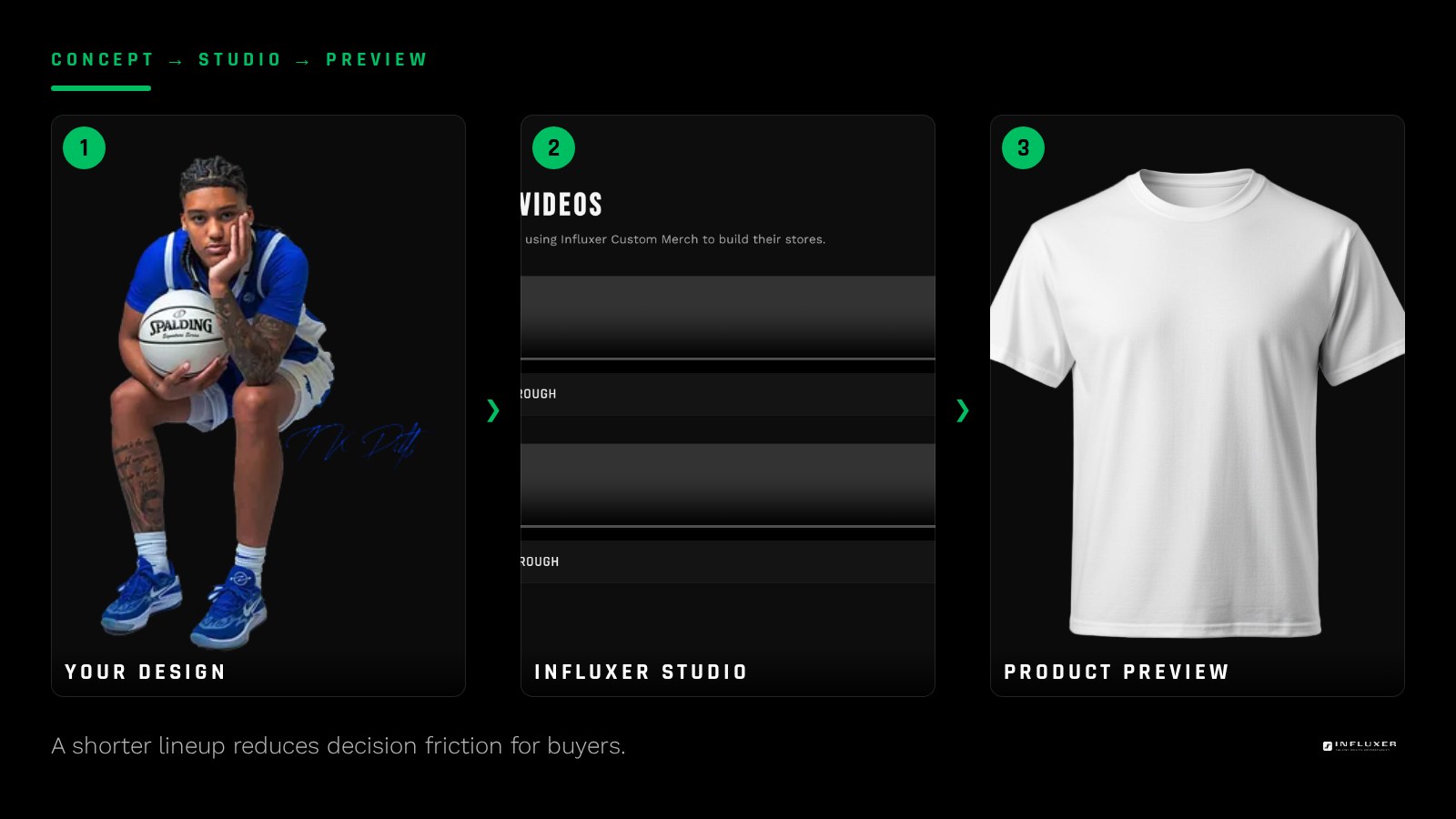
Start with contrast, not preference. Pick one dark neutral like Black or True Navy and one light neutral like White or Ivory, since these two alone cover most buyer preferences and both give strong contrast for most ink colors. Then add one or two colors with more personality, chosen because they specifically suit your design and ink colors, not because they were available.
- One dark neutral: Black, Pepper, or True Navy.
- One light neutral: White or Ivory.
- One or two personality colors that specifically suit your ink.
- Preview every candidate against your actual design before adding it.
When it makes sense to offer more
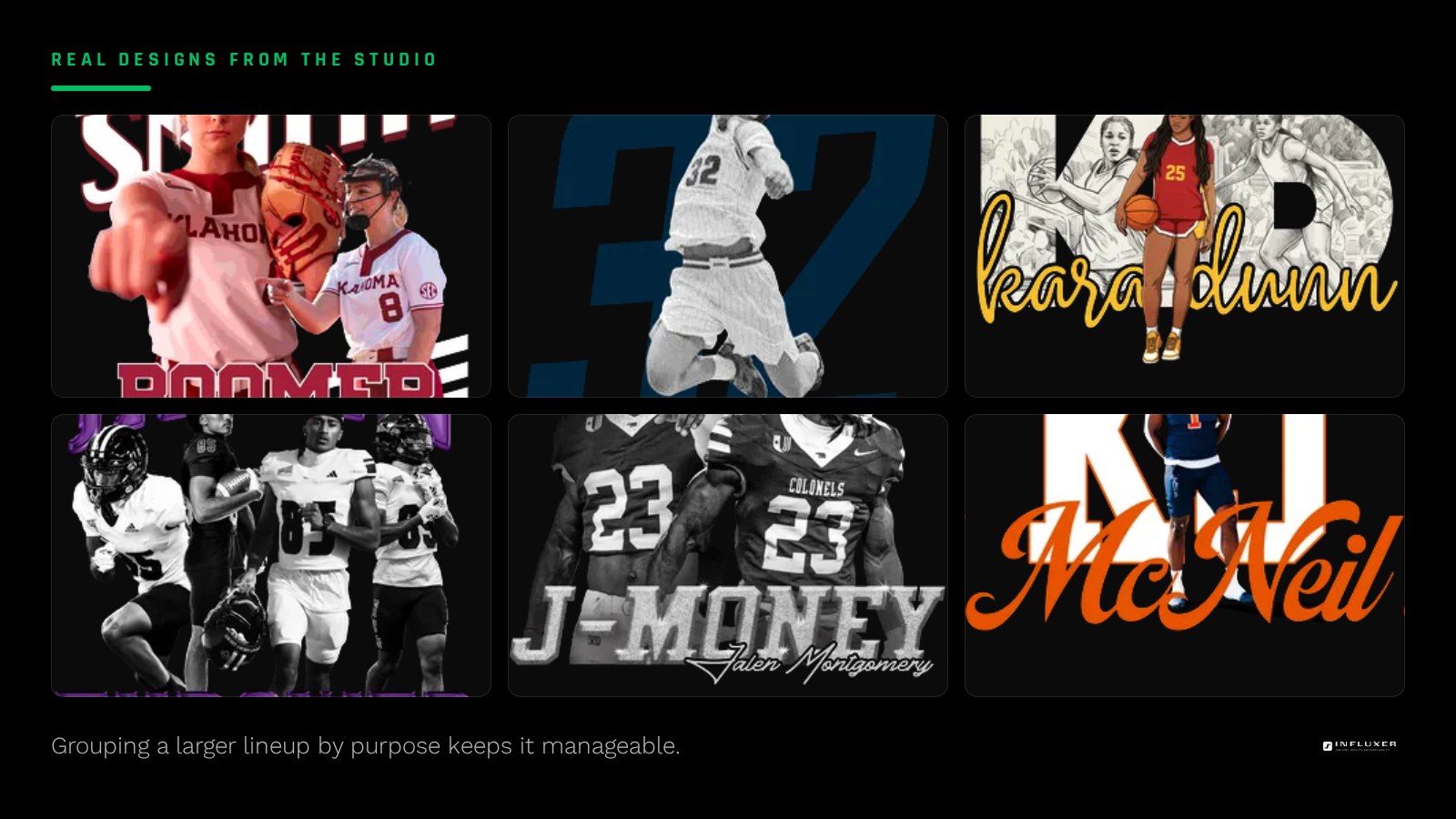
A larger colorway count can make sense for a team-wide drop meant to serve a big, varied group, where different buyers genuinely want different colors for different reasons, like separate options for players versus fans. Even then, group the options clearly (for example, two "player" colors and two "fan" colors) rather than presenting one flat list of six or eight choices.
When to intentionally offer just one
A single, well-chosen color can work fine for a drop with a short timeline or a design that only really works in one color combination. One color is not a compromise if it is the right color; it is only a problem when it is the wrong color and buyers have nothing else to choose from.
Adjusting the lineup over time
You do not have to lock in your colorway count forever. A first drop can start with two colors, and a later drop can add a seasonal color or two once you know which of your original colors actually got picked. See the companion post on seasonal merch colors for how to plan that kind of rotation without bloating any single drop.
Tracking which color actually got picked does not require anything complicated. A simple tally of orders by color after your first drop closes is enough to tell you whether your dark neutral outsold your bolder option, which is the exact signal you need before deciding what to add or drop next time.
How colorway count interacts with garment choice
If you are offering both a Comfort Colors 1717 tee and an Independent Trading Co. SS4500 hoodie in the same drop, you do not need to match your colorway count across both garments. A tee can reasonably carry three colors while the hoodie sticks to one or two, since a hoodie is typically a higher-commitment purchase and buyers tend to be more decisive about it already.
Keeping the hoodie lineup tighter also reduces how many combinations you have to preview in the studio, since checking a design against three tee colors and two hoodie colors is a manageable five previews, not the nine you would get from a fully matched three-by-three lineup.
Colorway count checklist
- Default to a lineup of two to four shirt colors.
- Include one dark neutral and one light neutral as your base.
- Add one or two personality colors chosen for your specific design.
- Preview every candidate color against your actual artwork first.
- Group a larger lineup by purpose if you genuinely need more than four.
- Consider one well-chosen color if your timeline or design calls for it.
Frequently asked questions
Is offering more colors always better for sales?
No, more options can add decision friction that slows buyers down rather than helping them. A focused lineup of two to four colors usually serves a drop better than a long list.
What is the minimum number of colors I should offer?
One color can work if it is genuinely the right color for your design and timeline, but two, a dark and a light option, covers more buyer preference without adding real complexity.
When does a larger colorway count make sense?
For a team-wide drop serving a large, varied group, more options can work, especially if you group them clearly, such as separate colors for players and for fans, rather than one flat list.
Can I add more colors after the drop is already live?
Yes, a later drop or seasonal addition is a natural way to expand your lineup once you know which original colors performed, rather than trying to cover every option on day one.
Start from a template — Preview your design across a few candidate colors before deciding.
See the studio in action — Watch how quickly you can compare colors before committing.