Help me choose
What to Do When Your First Design Underperforms
A quiet first drop is common, not a dead end. Here is how to figure out what actually happened and adjust before your next one.
By Influxer · Published 2026-08-16 · Updated 2026-08-16 · 5 min read
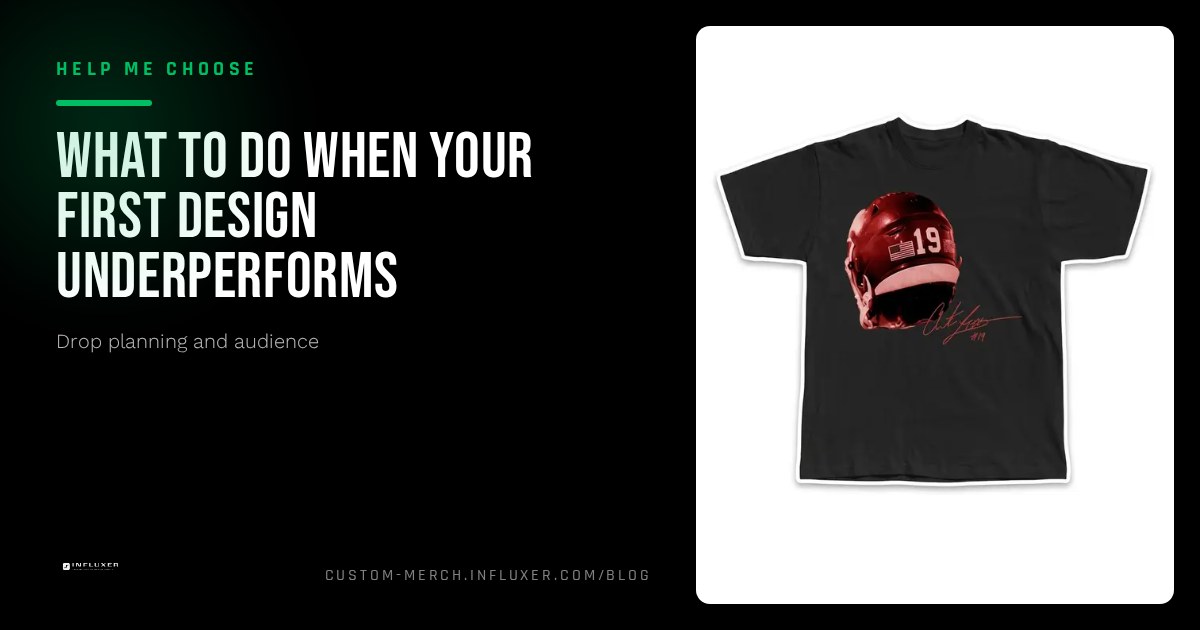
A first merch drop that gets a quieter response than you hoped for is common, not a sign that the whole idea was wrong. Most athletes learn something specific from their first drop that makes the second one noticeably stronger, but only if they actually look at what happened instead of just feeling discouraged and moving on.
The instinct after a quiet drop is often to assume the design itself was the problem. Sometimes it is, but just as often the issue is somewhere else entirely: timing, how it was shared, what the store page said, or simply that not enough people ever saw it in the first place.
This walks through how to actually diagnose a quiet first drop and what realistic next steps look like, without pretending there is one fix that works for every situation.
Separate "no one saw it" from "people saw it and passed"
These are two very different problems with different fixes. If very few people actually viewed your store page, the issue is likely visibility and promotion, not the design itself. If people viewed the page but did not order, the issue is more likely in the page, the price, or the design.
Think honestly about how the drop was actually shared: how many people saw a post, a story, or a direct message about it. A drop shared once, quietly, to a small audience will look quiet regardless of how good the design is.
Check whether the design explained itself
A design that makes complete sense to you may not make sense to someone who was not there for the context. If your store page copy did not explain what the design represents, a visitor might have simply not understood what they were looking at.
Revisit your store page copy honestly: does it tell a visitor what the design means, or does it just describe the product? A design with no explanation is easy to scroll past.
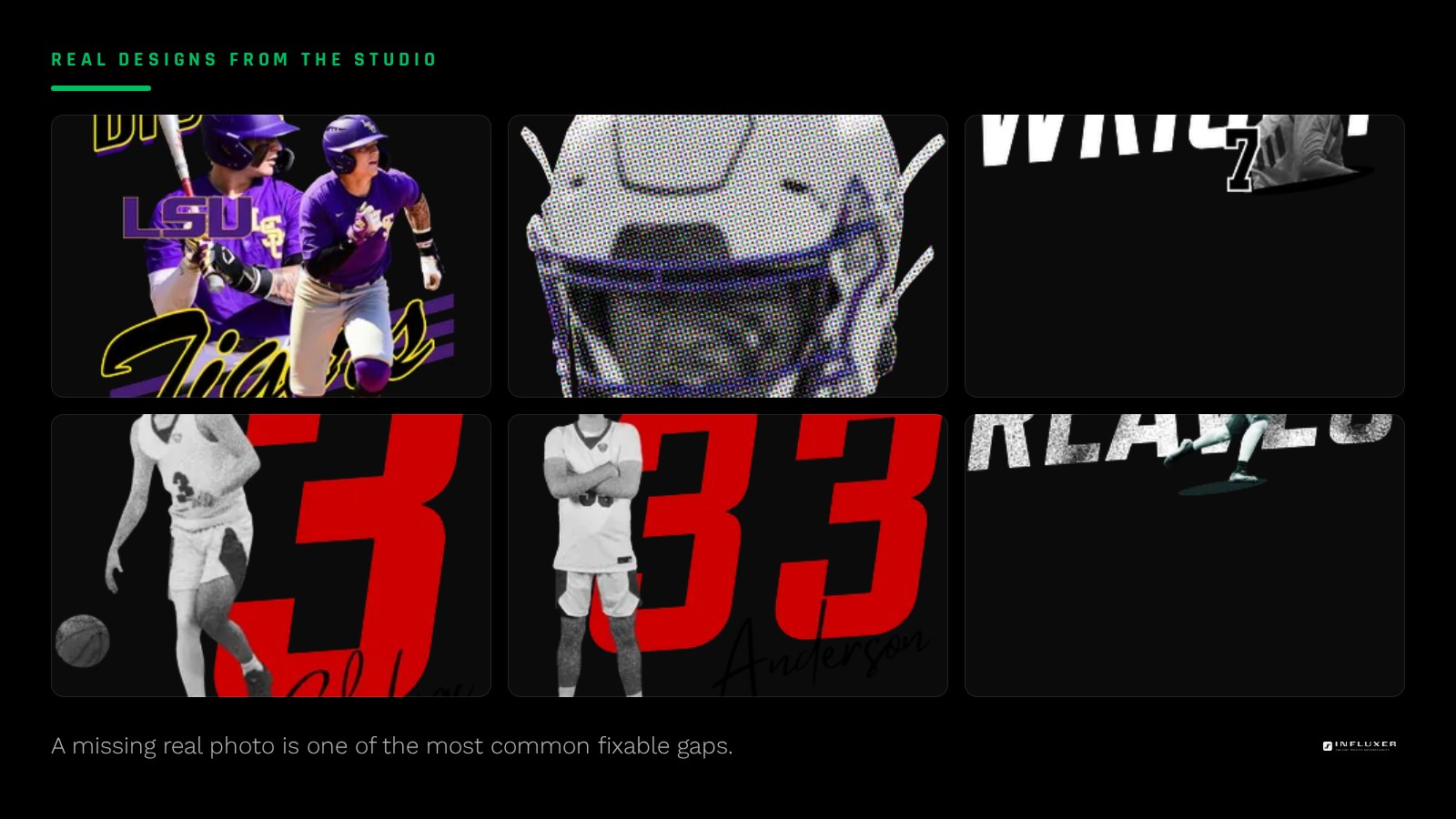
Look at the photos, not just the design
A page relying only on a digital mockup, with no real photo of the garment worn, is a common and fixable reason a drop underperforms. Visitors are cautious about ordering something they cannot picture as a real, physical product.
If your first drop skipped real photos, this is one of the easiest things to fix before your next one, and it does not require any change to the design itself.
Consider whether timing worked against you
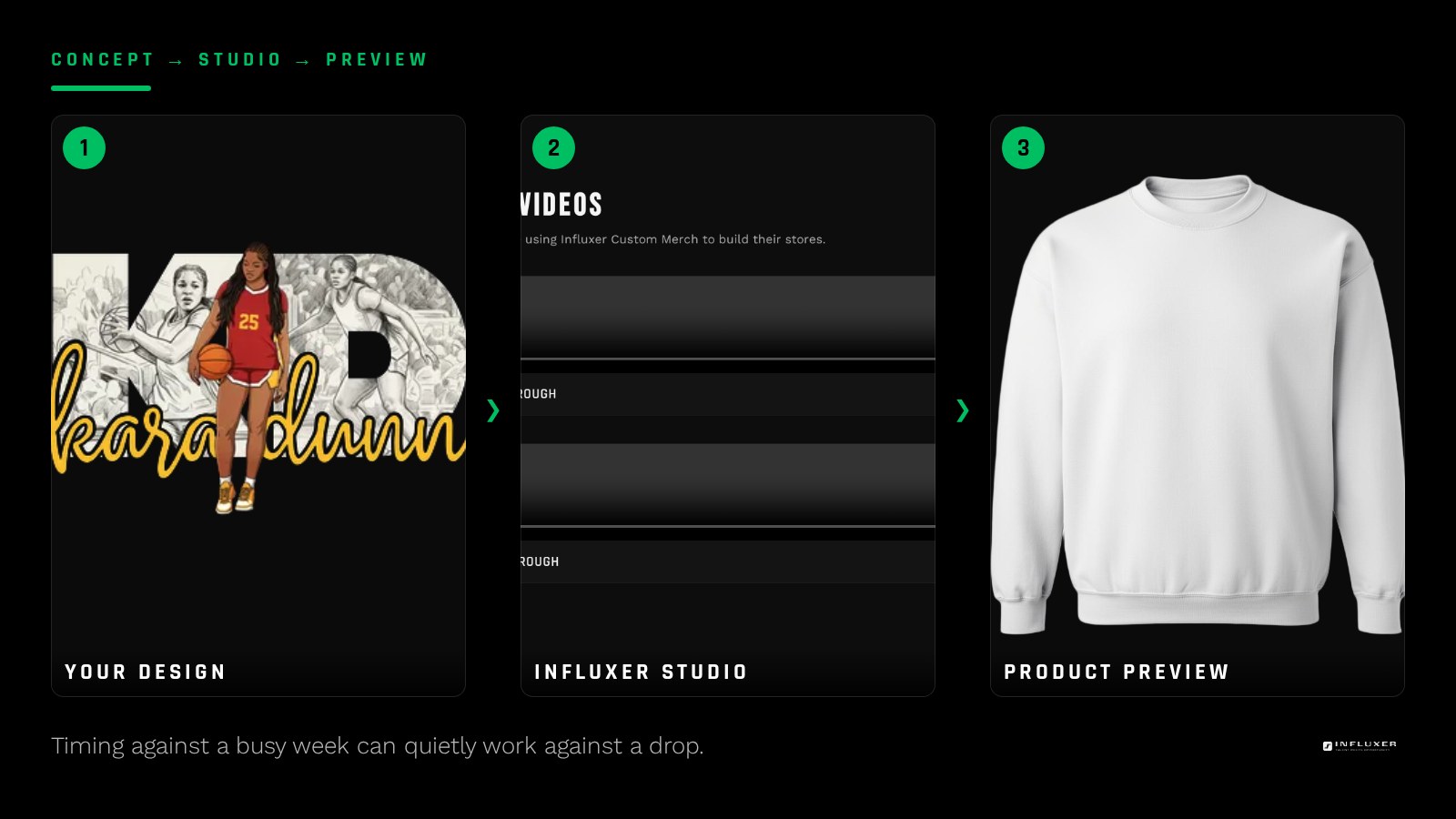
A drop opened during a busy week, against a major competing event, or with no connection to any specific moment can struggle regardless of design quality. Look back at what else was happening when you opened orders and consider whether that timing gave the drop a fair chance to be noticed.
This is worth checking honestly rather than assuming timing was fine by default. A quiet week with nothing competing for attention is a meaningfully better window than a week packed with other commitments.
Ask a few people directly, not just anyone
A few honest conversations with people who saw the drop but did not order can surface something you would not catch on your own. Ask directly and specifically: did they see it, did they understand what it was, and what made them decide not to order.
This works better than a vague social post asking for feedback, since most people will not volunteer criticism unprompted. A direct, specific question to someone you trust tends to get an honest, useful answer.
Change one or two things, not everything
After a quiet first drop, it is tempting to overhaul everything for the next one. It is usually more useful to identify the one or two most likely causes, based on what you actually found, and change those specifically while keeping what worked.
If the design and colors got positive reactions but the promotion was thin, fix the promotion next time and keep the design direction. If the design itself did not land, focus your changes there instead of also changing timing, photos, and copy all at once.
A quiet first drop is data, not a verdict
One drop with a modest response tells you something specific about that drop, not something permanent about whether people are interested in merch built around you. Athletes who keep going, adjusting one or two things at a time, tend to see their second and third drops land better than their first.
Treat the first drop as the version where you learned what your actual audience responds to, then apply that directly to the next one instead of starting over from scratch.
Set a realistic bar for the second drop
It helps to define what a reasonable improvement looks like before you open the next drop, rather than judging it against an ideal outcome you never actually measured. If your first drop had a specific number of page visits and a specific number of orders, use those two figures as your baseline and aim to move one of them, not both, with your next round of changes.
This keeps the comparison honest. If promotion was the fix you made, look at whether more people actually saw the page next time. If the design or the story behind it was the fix, look at whether the same number of visitors converted at a higher rate than before.
Diagnosing a quiet drop
- Estimate honestly how many people actually saw the drop was open.
- Reread your store page copy and check whether it explains what the design means.
- Check whether the page had a real photo, not just a digital mockup.
- Look back at what else was happening the week you opened orders.
- Ask two or three people directly why they did not order, if they saw it.
- Identify one or two specific changes to make, rather than overhauling everything.
- Treat the result as useful information for your next drop, not a final verdict.
Frequently asked questions
Does a quiet first drop mean I should stop making merch?
Not necessarily. A quiet first drop is common and usually points to a specific, fixable issue like promotion, photos, or timing rather than a permanent lack of interest.
How do I know if the design itself was the problem?
Ask a few people directly who saw the drop but did not order. If they say the design was not for them specifically, that points to the design. If they say they never really saw it or understood what it was, the issue is more likely visibility or the page copy.
Should I change the design completely for my next drop?
Only if your honest review points specifically to the design as the issue. If other factors like promotion or photos were the bigger gap, keep the design direction and fix those instead.
How long should I wait before trying another drop?
There is no fixed timeline, but give yourself enough time to genuinely reflect on what happened and make specific changes rather than rushing out a near-identical drop right away.
Start your next design — Apply what you learned to a new design before your next drop.
See ready-made layouts — Start from a proven layout if you want a different starting point.